
How Correct Watering Methods Affect the Environment
Water is a precious resource that sustains life on our planet. The way we use it in agricultural and landscaping practices can have significant environmental repercussions. One crucial element in water management is how irrigation systems are installed and used. Improper methods can lead to water wastage, soil degradation, and ecosystem imbalance. In contrast, proper irrigation system installation promotes sustainable water usage, ensuring that crops and landscapes thrive while preserving natural resources.
Advantages of Proper Watering Practices
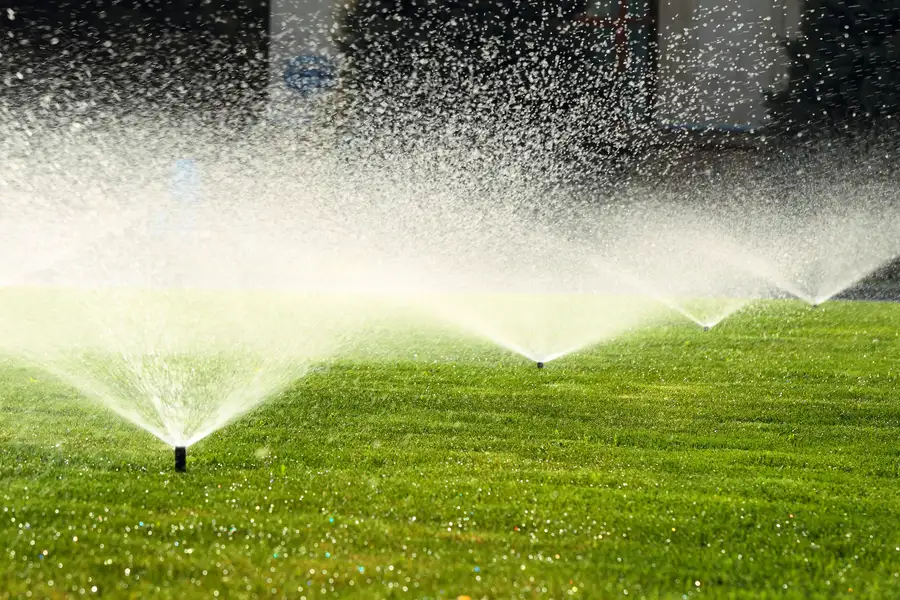
Installing an irrigation system correctly offers several benefits beyond just keeping your lawn green or boosting crop yield. It enhances water efficiency by minimizing runoff and evaporation. This not only saves water but also reduces energy consumption from pumping excess water. An efficient system ensures plants receive the exact amount they need, improving their health and reducing the need for fertilizers and pesticides. Less chemical use means fewer pollutants entering our waterways, benefiting wildlife and human health alike.
Challenges Faced by Poor Installations
Poorly installed systems often result in uneven watering, leading to areas of over- or under-irrigation. Overwatering can cause soil erosion and leaching of nutrients. Conversely, underwatering stresses plants, making them susceptible to diseases. These issues highlight the importance of meticulous planning and execution during irrigation system installation to avoid such inefficiencies that harm both the environment and plant health.
Steps to Achieve Ideal System Setup
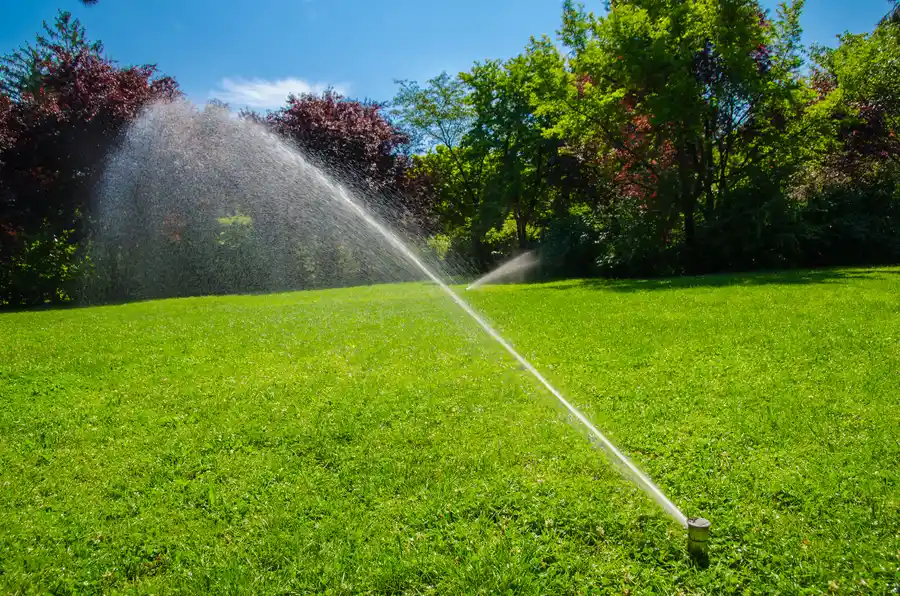
A successful irrigation setup starts with a thorough analysis of land requirements, considering soil type, climate, and plant needs. Implementing an irrigation system installation involves:
- Selecting the right sprinkler heads for your landscape
- Ensuring correct spacing for uniform coverage
- Setting timers based on seasonal water needs
- Regular maintenance checks to prevent leaks and clogs
Expert Tips for Sustainable Water Use
Experts recommend adopting smart technology like weather-based controllers that adjust watering schedules automatically to reduce waste. Consider drip irrigation systems for targeted watering to roots instead of the entire surface. Regularly inspect your system for leaks or damaged components as these could negate all efforts towards efficiency.
Industry Standards to Follow
Adhering to industry standards ensures you get the most out of your irrigation investments while safeguarding natural resources. Guidelines set by authorities like the U.S. Environmental Protection Agency (EPA) provide benchmarks for efficiency and environmental protection. Compliance with these standards helps maintain soil integrity and limits excessive water use.
Financial Implications of Efficient Systems
An initially higher cost for a well-planned system leads to long-term savings through reduced water bills and lower maintenance costs. Additionally, healthier plants need less intervention, which translates into financial savings over time. The return on investment also includes non-monetary benefits like improved landscape aesthetics and enhanced property value.
Your Path to Greener Spaces
If you’re considering upgrading your current setup or installing a new one, focus on precision and sustainability. Reach out at (404) 678-2698 for tailored solutions that meet your specific needs. Located in Newnan, GA, I offer expertise that aligns with environmental best practices. Partner with GMG Irrigation System to create efficient, eco-friendly watering solutions that protect our planet while enhancing your property’s beauty.